The Reseller’s Stockroom: Where Profitable Inventory Really Comes From
A profitable stockroom is built before an item reaches a listing page. Resellers make money or lose it through sourcing decisions, because the quality, condition, mix and purchase cost of incoming inventory shape almost everything that follows. Good sales skills help, but they cannot fully repair a poor buying decision.
Start with what the business can actually sell
The best source of stock depends on the reseller’s customers and selling channels. A marketplace seller specialising in compact household goods has different needs from a trader running weekend markets or a shop with room for bulky items. Buying should therefore begin with a clear picture of what can be processed, stored and sold efficiently.
Wholesale pallets for sale may look attractive because they offer volume, but volume is only useful when it fits the operation. A reseller should consider the likely number of units, the product categories involved and the amount of work required after delivery. A load that takes weeks to sort can slow down the entire business, even if the headline purchase price appears low.
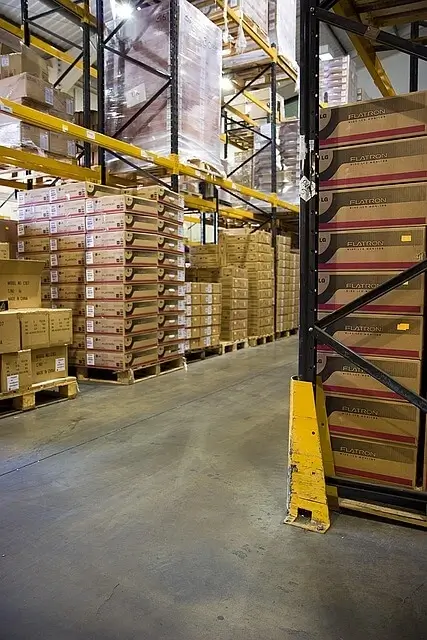
Image Source: Pixabay
Understand where the margin is created
Margin is not simply the difference between buying and selling prices. Fees, packaging, delivery, cleaning, replacement parts and staff time can all reduce the amount left over. Returns and unsold goods also need to be considered. A reseller who tracks these costs by category can make better decisions about what to buy next.
This is why stock condition matters so much. New overstock, shelf pulls, open-box goods and customer returns can require very different levels of preparation. If a supplier provides a manifest or grading information, it should be read carefully rather than treated as a guarantee. Where details are limited, the buying decision needs a wider allowance for uncertainty.
Let the stockroom support faster decisions
An organised stockroom makes inventory more profitable by reducing wasted movement and lost time. Incoming goods can be separated from checked stock. Similar products can be grouped together. Items waiting for parts or further inspection can have their own location. These simple distinctions prevent the team from repeatedly handling the same units without moving them closer to sale.
When reviewing wholesale pallets for sale, it helps to think beyond the purchase itself. Where will the load go when it arrives? Who will count and grade it? Which products can be listed immediately? Which items need research? The answers reveal whether the business has capacity for the stock, not merely money for it.
Protect space as carefully as cash
Stockroom space is part of the buying decision. Large cartons, repeated lines and slow sellers can limit room for incoming goods. A reseller who knows the available shelving and floor capacity can avoid ordering more volume than the operation can handle, even when the purchase price looks attractive.
Use past sales to guide future buying
Resellers often learn more from their own records than from general claims about popular products. Fast selling speed, low return rates and manageable packing requirements can make an ordinary category more valuable than a fashionable one. Likewise, a product with an impressive selling price may be less attractive if it regularly sits unsold for months.
Patterns become useful when they influence purchasing. If small kitchen goods consistently move quickly, that can justify looking for more of them. If bulky seasonal products create storage problems, the business can reduce exposure before the next order. The aim is not to predict every sale. It is to improve the odds with each buying cycle.
Wholesale pallets for sale are one possible source within that wider system, not a shortcut to profit. A strong reseller combines supplier information, real operating costs and evidence from previous sales before committing funds. The stockroom then becomes more than a storage space. It becomes the point where buying discipline, processing speed and customer demand meet, giving the business a clearer basis for sustainable growth.

Comments