Sound Is Like an Invisible Ball
Imagine throwing a soft ball across a room. It leaves your hand, travels through the air, touches a wall, and may bounce back. Sound is not a ball, but it can be helpful to picture it that way. It moves out from something that shakes. A drum skin shakes. A guitar string shakes. A person’s voice shakes the air. Those tiny shakes travel until an ear catches them.
Now imagine dropping a pebble into a pond. Rings move out from the centre. Sound can feel a little like those rings. It spreads, bends, fades, and changes when it meets things. A curtain treats it one way. A bare wall treats it another. A soft body in a chair also changes it. The room is part of the sound, even though it does not sing.
Professional audio speakers are like careful air pushers. They take an electrical signal and turn it into movement. A part inside moves back and forth very fast. That movement pushes the air. The air passes the push along, bit by bit, until it reaches a person. The ear turns that movement into meaning. This is why a song can make someone smile, even though nothing visible has touched them.
The philosophy of sound begins with a strange idea: sound only matters when someone receives it. A tree falling with no listener may still make pressure waves, but there is no person to call it a crash. Sound lives between the thing that makes it and the creature that hears it. It is a meeting, not just an object.
Sound also teaches that space changes truth. A clap in a small bedroom feels different from a clap inside a church. The clap may start the same, but the space answers differently. Some rooms make sound dry and short. Some make it long and shiny. This is why people say a room has a voice. It does not speak, yet it changes every sound inside it.
Volume is not the same as importance. A whisper can matter more than a shout. A tiny bell can make a child turn their head. A soft song can fill a memory. Sound is powerful because it carries attention. It can warn, comfort, guide, annoy, or gather people. It can tell a dog that someone is at the door. It can tell a baby that a parent is near.
Professional audio speakers try to make sound bigger, clearer, or more shared. They do not create the song’s meaning by themselves. They carry it. This is like a bridge. A bridge is not the journey, but it helps the journey happen. If the bridge is weak, people notice. If it is strong, people may simply cross.
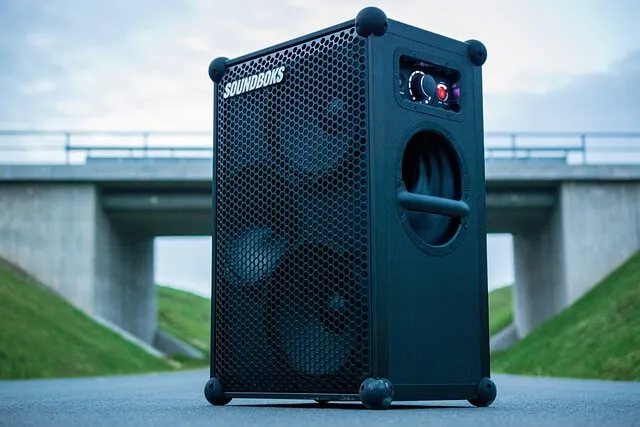
Image Source: Pixabay
There is another idea: listening is active. Ears receive sound, but the mind chooses what to follow. In a noisy playground, a child may still hear their name. In a busy kitchen, someone may notice one timer. The brain sorts sound like a person sorting coloured blocks. It brings some sounds forward and pushes others back.
Good sound respects this sorting. It does not throw everything at the ear at once. It lets words, rhythm, and feeling take turns. This is why clear sound can feel kind. It gives the listener less work to do.
Silence matters too. Without quiet, sound has no edge. A pause before a song starts can make people lean in. A gap between words can help meaning land. Silence is not empty. It is the space that lets sound be noticed.
So what is sound, explained simply? It is movement that becomes meaning when someone hears it. It is air carrying a message. It is a room answering back. It is attention shaped by invisible waves.
Professional audio speakers are tools in that story, but they are not the whole story. The real magic is that moving air can become a laugh, a warning, a memory, or a song.

Comments